Zhangjiajie Cultural Tours & Local Experiences
The side of Zhangjiajie that sits behind the scenery — Tujia villages and stilt houses, the hand-waving dance, brocade weaving and Hunan cooking, fitted into the time a scenic day leaves free.
✓ Half-day to full-day
✓ Evenings after the park
✓ English-speaking guide
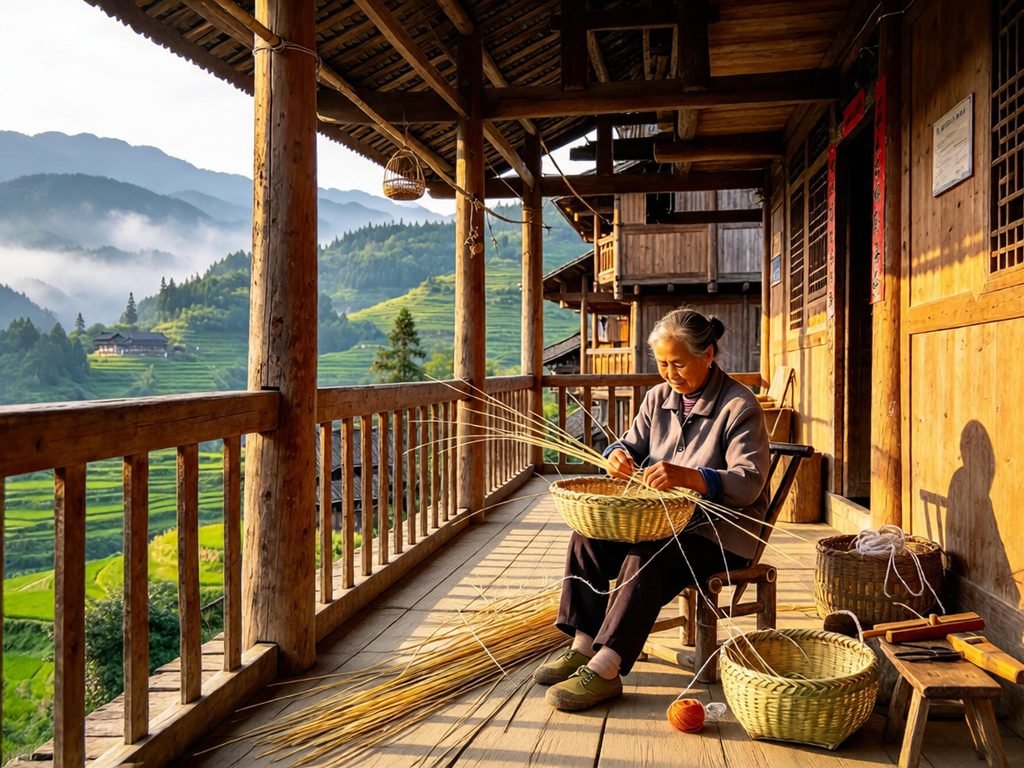
Tujia culture here is lived-in rather than staged: villages, looms and kitchens still in use.
THE SHORT VERSION
What a cultural experience in Zhangjiajie looks like
The three big scenic areas get the photographs. The culture is often what people remember afterwards — a village of wooden stilt houses, a meal cooked in a hanging pot, a brocade pattern explained by the person weaving it.
Zhangjiajie sits in the Tujia heartland of western Hunan, and the Tujia are the largest ethnic group in the area. Miao and Bai communities live across the wider region as well.
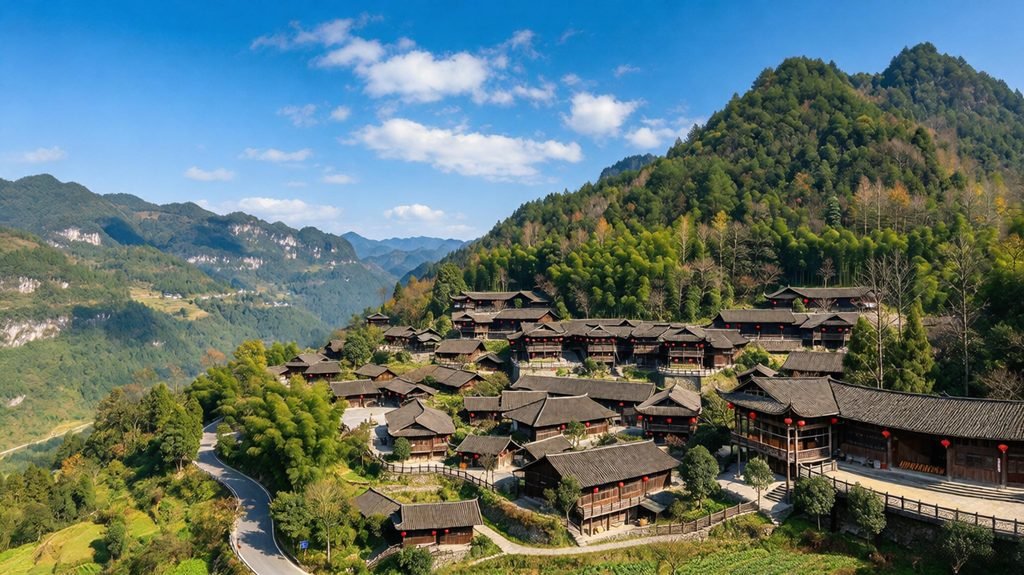
Stilt houses and terraced fields in the Tujia villages out towards Yongding District.
Tujia heartland
The largest ethnic group in the Zhangjiajie area, with Miao and Bai communities across western Hunan
Still lived in
Villages that are working communities rather than reconstructed sets
Hands-on options
Brocade weaving, cooking and crafts, not watching alone
Half-day or evening
Most of it fits around a scenic day instead of replacing one
Food built in
Cooking is part of most days rather than a separate stop
English-speaking guide
Experienced local guides and operators, with licensed guides prioritized
WHAT YOU CAN ACTUALLY DO
Four kinds of cultural experience
🎭
AN EVENING, NOT A DAY
Tujia performances and folk music
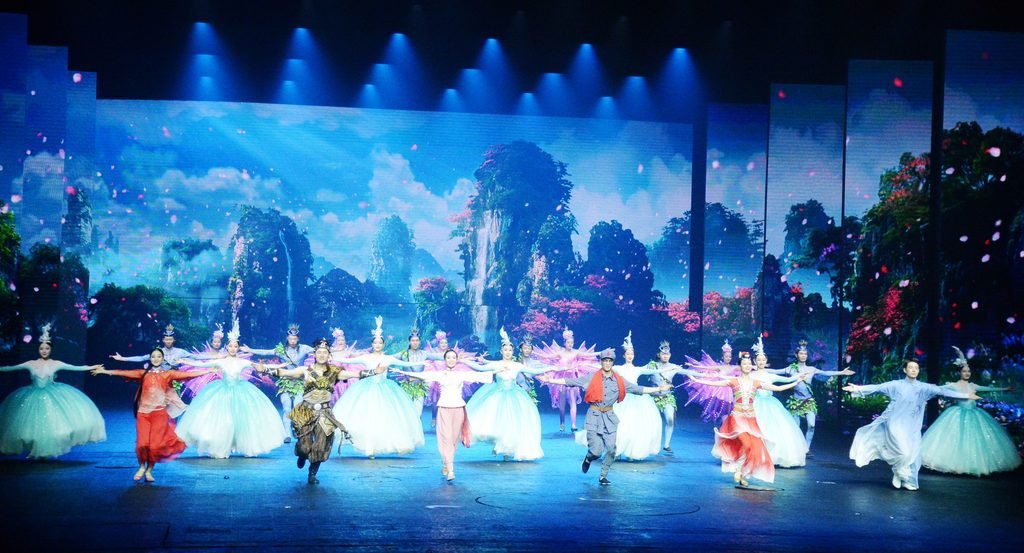
The staged Tujia productions in Wulingyuan are the simplest cultural evening to add, especially if you are staying near the park gate.
- Large staged shows in Wulingyuan, close to the park hotels
- Folk traditions such as the hand-waving dance, drumming and mountain songs
- Usually paired with a Tujia dinner before or after
- Ask about adding an evening show →
🏘️
HALF A DAY OR A FULL ONE
Traditional Tujia villages
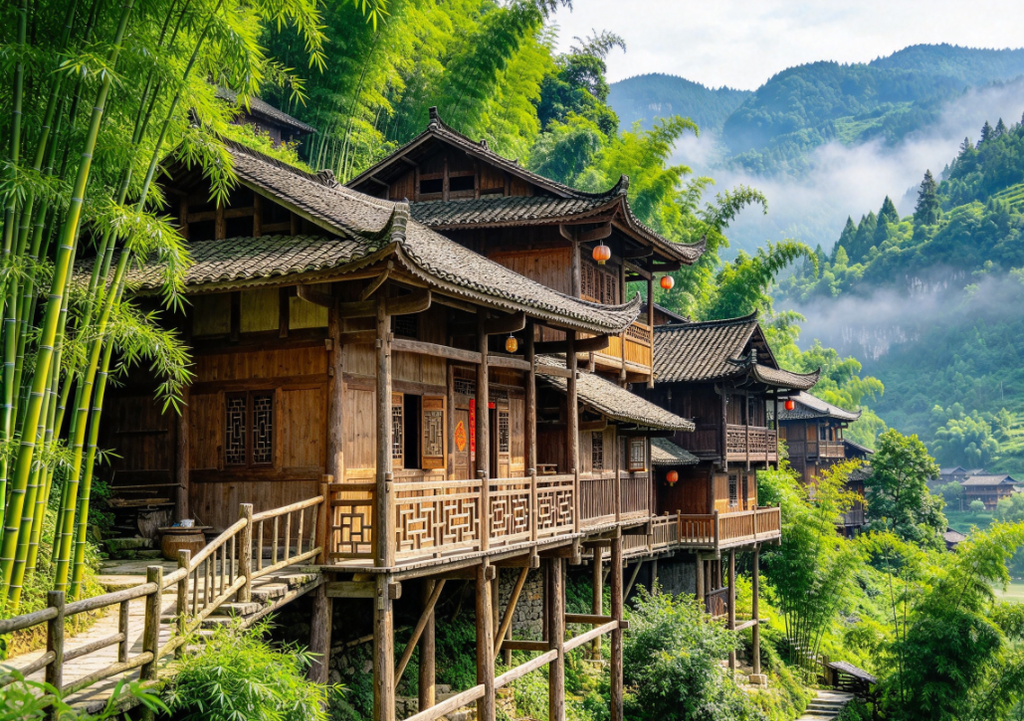
Shiyanping, in Yongding District, is the one people are sent to first: a hillside village of wooden stilt houses, or diaojiaolou, with more than 180 of them still standing and still in use.
- Timber stilt houses built into the slope, not on a flat showground
- A countryside drive from Zhangjiajie city, rather than from the park
- Quieter on weekdays, and better with someone who can explain what you are looking at
- See our cultural tour details →
🍲
USUALLY HALF A DAY
Tujia and Hunan cooking
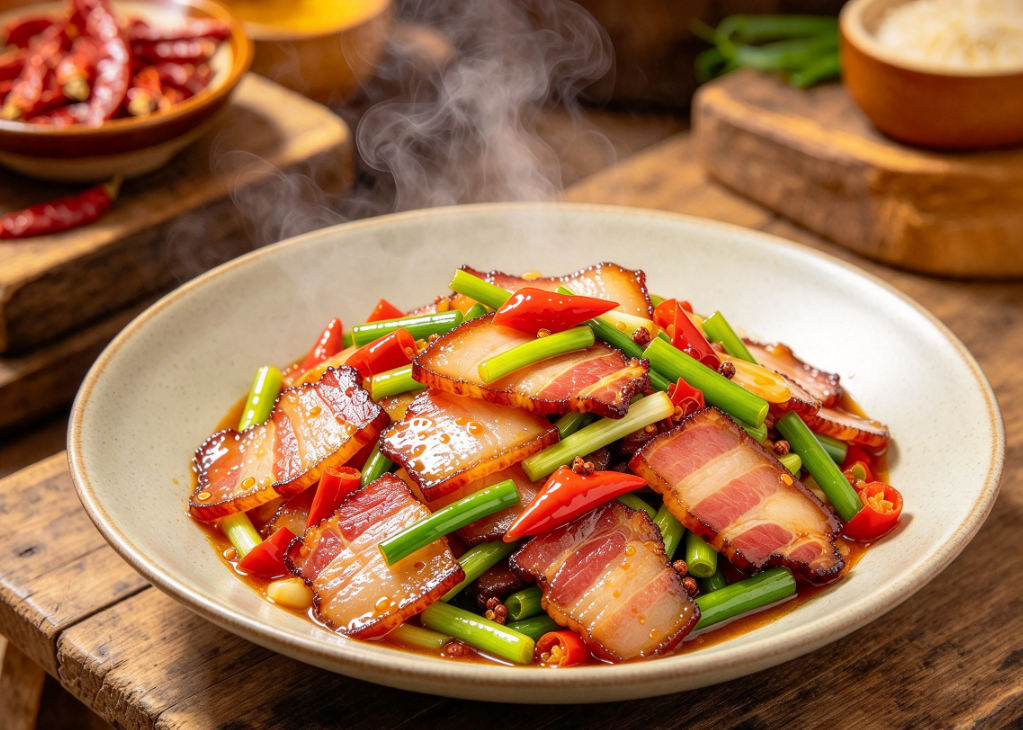
Hunan cooking leans hot, and the Tujia table adds cured pork, dried vegetables and river fish. A dish worth asking for by name is sanxia guo, brought to the table in a pot and kept cooking while you eat.
- A market walk followed by a home-style cooking session
- Dishes cooked in a hanging pot, with cured pork and local vegetables
- Heat levels can be adjusted if you mention it when the day is planned
- Ask about the cooking class & market walk →
🧵
A HALF-DAY, INDOORS
Brocade, silverwork and local tea
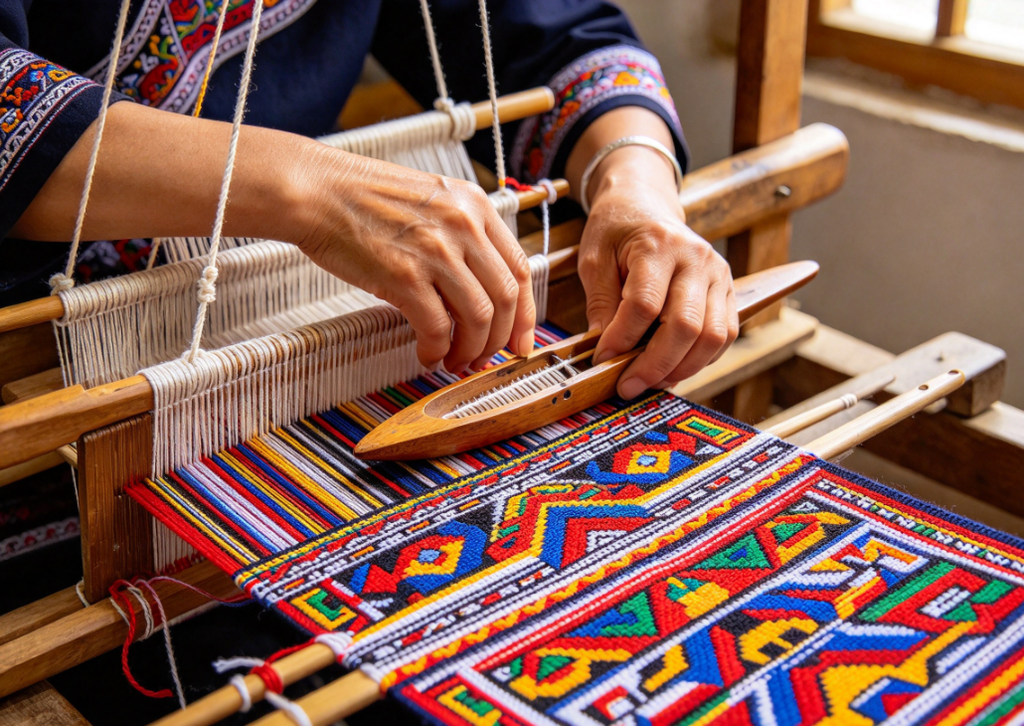
Xilankapu, the Tujia brocade, is listed among China’s major brocade traditions, woven on wooden looms from patterns handed down over generations.
- Xilankapu brocade weaving, with the chance to try it yourself
- Miao silverwork, dyeing and other crafts shown alongside
- Local vine tea, known here as meicha, to taste and to take home
- Ask about the weaving & tea workshop →
FITTING IT IN
How cultural time sits inside a day
One common shape: a scenic area in the morning, a village or a craft session in the afternoon, and a performance or a Tujia dinner in the evening.
HOW MUCH TIME
Three ways to add it to a trip
LEAST TIME
An evening add-on
A staged performance or a Tujia dinner in the city or Wulingyuan, after a day at the park. Nothing changes about the next morning.
HALF A DAY
A village or a craft session
Out to a stilt-house village, or an afternoon in the city with a market walk, a cooking session and a brocade workshop.
A FULL DAY
Out in the countryside
A longer drive to the villages and terraces west of the city, a meal cooked at home, a walk between the houses and time to talk to the people who live there.
WHAT YOU GET
What is arranged for you

LOCAL SUPPORT
Guides who can explain what you are seeing
These days work best with someone who can put them in context. The trips are delivered by vetted local partners — experienced guides and local operators who live in the area, with licensed guides prioritized.
What we handle is everything around them: which village or workshop on which day, the driving and hotel pickup, the table booked for dinner, and the rework when the weather or the timing shifts the plan.
🗣️
Guide & interpretation
An English-speaking guide where the culture needs explaining, and the space to wander without one where it does not.
🚐
Transport & pickup
Private driving from your hotel in Zhangjiajie city or Wulingyuan, including the countryside villages.
🎟️
Tickets & booking
Applicable tickets and show seats arranged in advance, with real-name registration handled where required.
🕗
Timings built in
Cultural time slotted around your scenic days rather than competing with them.
BEFORE YOU BOOK
Two pages worth reading first
What to eat in Zhangjiajie
Tujia dishes, sanxia guo, and where people eat in the city and in Wulingyuan.
Can you do it without a tour?
What is straightforward on your own, and where a local guide changes the day.
Cultural Experiences FAQ
Do cultural experiences replace one of the big scenic days?
They can, but most do not. Almost everything on this page fits into an evening or half a day, so the National Forest Park, Tianmen Mountain and the Glass Bridge stay as they are.
Are these suitable for children and older travelers?
Usually, yes. Cooking, crafts and staged performances work across ages, and village days can be kept short. The one variable is walking — villages are hilly and the ground between the houses is uneven.
Can we visit a Tujia village on our own?
Yes. The villages can be reached by car and a driver can be hired in the city. What a guide adds is language and interpretation.
Is the food very spicy?
Hunan cooking leans hot, and some Tujia dishes are meant to be. Not all of it is: cured pork, river fish and milder vegetable dishes are common, and the heat can be dialled back if you mention it when the day is planned.
Do the performances need to be booked in advance?
The staged shows run on their own dates and take a fixed seat, so they are worth fixing once your travel dates are settled, and earlier around Chinese public holidays and the autumn months.
Add a cultural day to your Zhangjiajie trip
Tell us your dates and how much time you want to spend away from the viewpoints. We will send back a day-by-day plan with the village, craft and performance options built in — free, and with no obligation to book.